About MainSquare
Empowering Main Street businesses through smarter transitions and community collaboration
Our Mission
To empower Main Street businesses through smarter transitions — making them more valuable and more sellable by equipping owners with the tools, data, and connections they need to strengthen operations, showcase their worth, and transition successfully on their own terms.
Our Vision
MainSquare exists to become the definitive standard for sustainable exit readiness in the small and lower middle market. Certifying that businesses are operationally resilient, financially disciplined, and institutionally transferable before acquisition.
Our Origins
Understanding where we came from to build the future
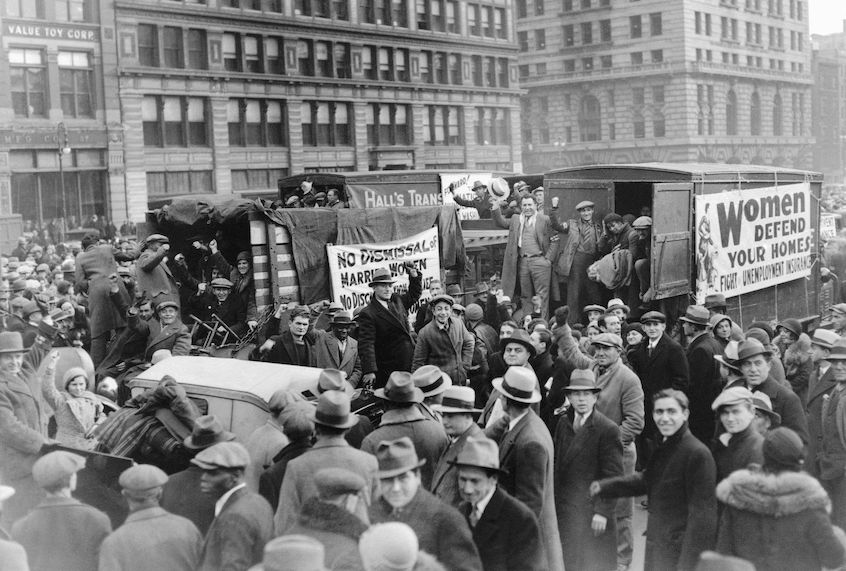
Main Squares Were The Heart of Civic Life
The main square (often called the 'town common' or 'village green') served as the nucleus of community life. It was typically the first area planned and built, surrounded by key institutions — the meetinghouse or church, courthouse, and market stalls.
Known as a 'common' or 'plaza mayor', these were known for grazing livestock, militia drills, and public gatherings; eventually these evolved into the central square as the civic and cultural hub surrounded by government buildings and a church. The square embodied self-governance, faith, and social order — it was where citizens met, debated, worshipped, and traded.
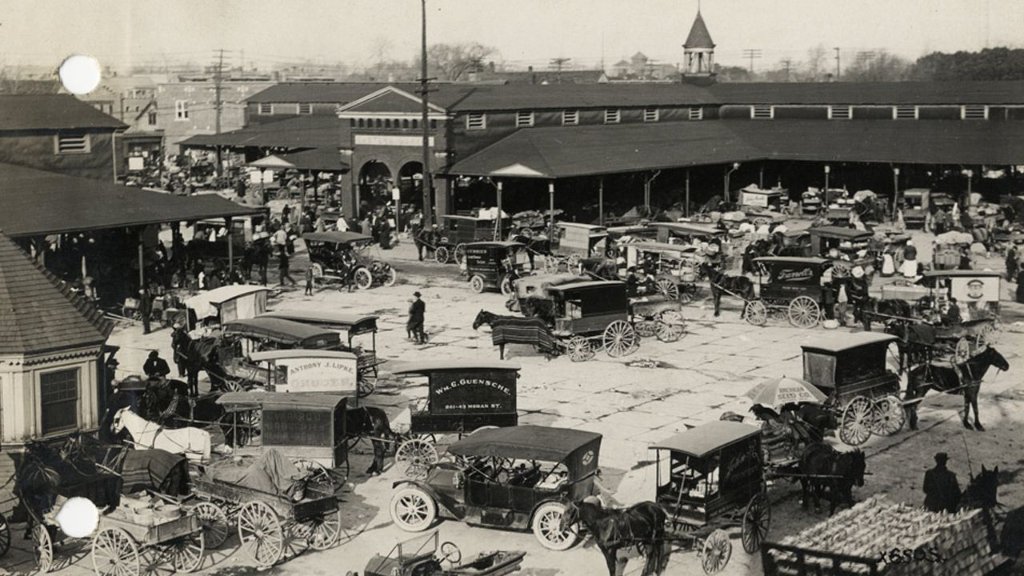
They Eventually Became a Marketplace for Economic Exchange
The main square was also the epicenter of trade. Farmers and artisans brought goods to the square for open-air markets.
Merchants set up permanent shops or stalls along the perimeter, creating early prototypes of the Main Street storefront. Taverns and inns near the square facilitated commerce and travel. It was the physical manifestation of the local economy — the place where community wealth circulated.
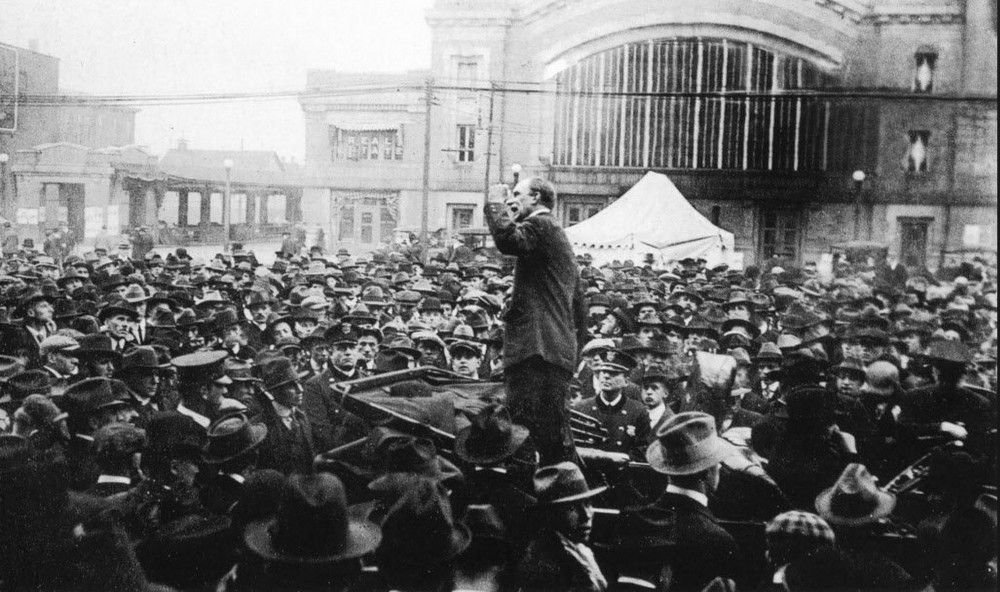
And Created a Platform for Public Discourse & Democracy
Town squares doubled as forums for public speech, debate, and announcements — precursors to local democracy and civic participation.
Public readings of the Declaration of Independence and other proclamations often happened on the town green. They hosted elections, protests, militia musters, and festivals, reinforcing civic identity. The square was a literal 'marketplace of ideas,' linking economic and political life — much like digital platforms aim to today.
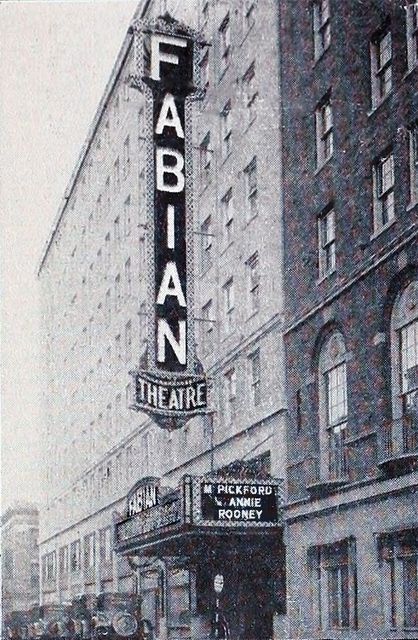
They Became the Beacon of Cultural & Symbolic Identity
Each square reflected the values and ambitions of the town. The design often symbolized order, stability, and unity — a visual statement of the community's collective will.
As towns grew, the square became a landmark and point of orientation, a symbol of belonging. The Main Square represented both place and purpose — a shared space where identity and progress were visible.
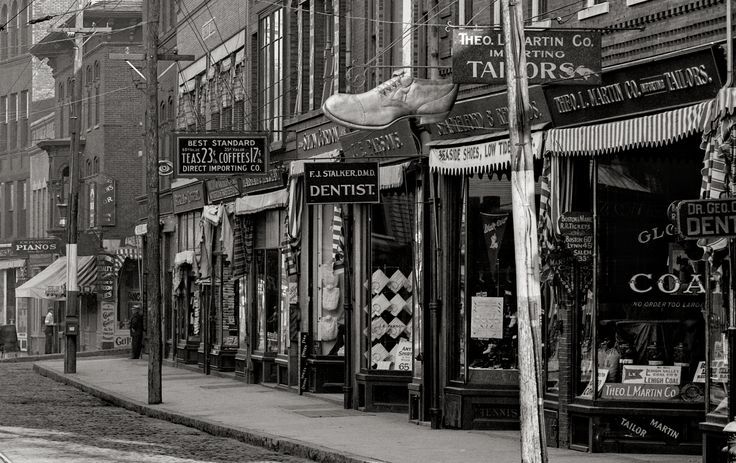
And Have Evolved into "Main Street"
By the 19th century, as towns expanded and commerce industrialized, the open "square" transformed into a linear Main Street, lined with shops, offices, and banks.
The square's social and economic functions migrated into storefronts and civic halls. Main Street became shorthand for the entrepreneurial and communal spirit of America — independent businesses, civic pride, and small-town life. The ethos of the "Main Square" lives on in every Main Street — as a space where commerce, community, and conversation converge.
Let's Build the Next Evolution for the Digital Age
MainSquare brings the spirit of the town square into the digital era, creating a platform where Main Street businesses can connect, collaborate, and thrive.